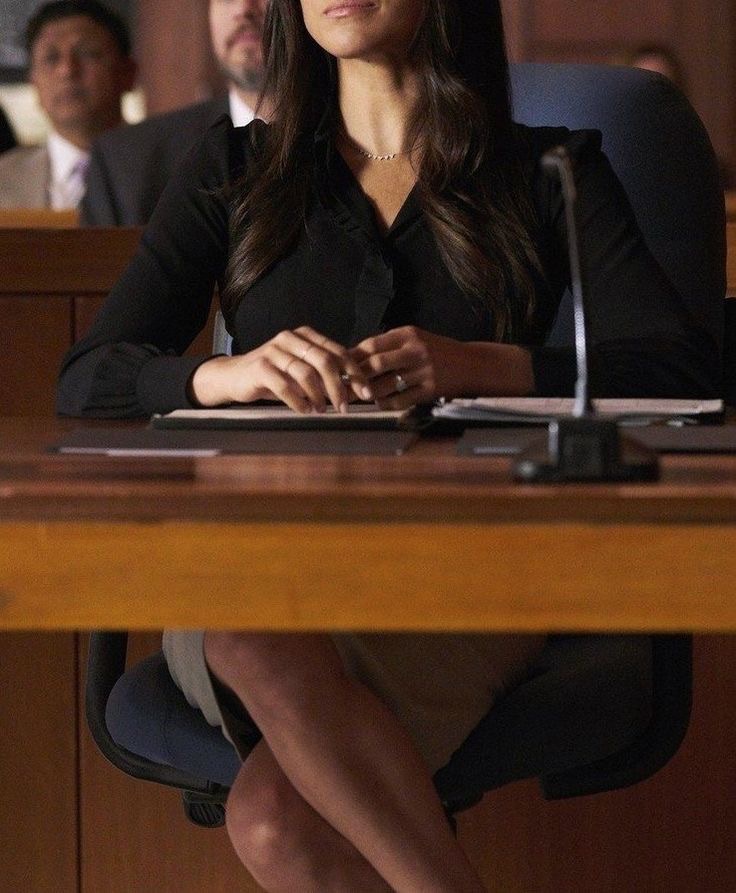
The female interest in law is at an all-time high. We dominate law schools and represent roughly 40 per cent of the profession. While the statistics seem promising, there is not enough Canadian discourse on the underrepresentation of racialized and Indigenous women in law.
In Canada, the Law Society of Ontario conducts a yearly report on the racial and gender makeup of the field. This is what they found:
Source: 2022 Snapshot of Lawyers, Law Society of Ontario
- Indigenous – 1.38 per cent of Ontario lawyers are Indigenous, compared to 2.95 per cent of the population in 2021.
- Racialized (excludes Indigenous persons) – 27.4 per cent of Ontario lawyers are racialized, compared to 33.98 of the population in 2021.
- White – 71.2 per cent of Ontario lawyers are White, compared to 63.08 per cent of the Ontario population in 2021.
The general statistics show that the overrepresentation of White lawyers directly corresponds to the underrepresentation of Indigenous and racialized lawyers. Moreover, the gender statistics show that more work needs to be done to address racialized gender diversity in law.
Equity, Diversity & Inclusion.
Racialized gender diversity in law can only be accomplished through more equitable admission and hiring practices. White women are currently the largest beneficiaries of EDI policies – a fact exemplified through their growing attendance in law schools and firms over the years.
While we should continue praising the increased number of women entering the profession, we must not forget racialized and Indigenous women along the journey toward a more equitable, diverse, and inclusive legal field.
To cite the Black Law Students’ Association of Canada (BLSA Canada): Canadian law schools are responsible for enrolling applicants that will build a genuinely multicultural, visibly diverse, and inclusive legal sector.
